✨When the Haze Returns: 6 Things Worth Knowing [Read More →]


5 Belly-Bloating Foods to Avoid
5 Belly-Bloating Foods to Avoid
Ever wonder why that swim suit-ready flat tummy at 7am is bloated and puffy by mid-day…and continues to grow until bedtime?
Being aware and limiting these five belly-bloating foods may just help you to feel better through the day.
Belly bloating is a common occurrence among adults, varying from a mild sensation of fullness to more significant discomfort interfering with daily activities.
If you’re in your 50s and experience persistent or increased pain, changes in stool frequency or form (including blood in stool), loss of weight or appetite, seek a medical consult to determine if you require further investigation, such as a gastroscopy or colonoscopy, to make sure you don’t miss a medical diagnosis.
Otherwise, bloating is usually due to excessive gas in the stomach or intestine because of bowel habits and diet. Constipation can also aggravate bloating as the stagnant food waste undergoes more fermentation. Certain types of food, such as wheat, sugar, dairy, and beans, also contain fermentable fructose and fructan, a carbohydrate that escapes digestion in the stomach and gets fermented by bacteria in the colon to produce more gas.
Being aware and limiting these five belly-bloating foods may just help you to feel better through the day.
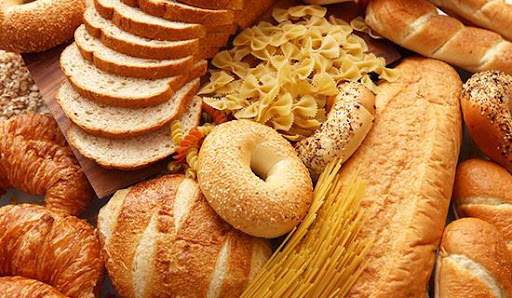
1. Wheat
Wheat is a very common ingredient used in most baking, confectionaries and pasta, including breads, tortillas, pizzas, cakes, biscuits, pancakes and waffles. Wheat contains gluten and fermentable sugars, and for those with celiac disease or gluten-sensitive guts, wheat commonly causes digestive issues such as bloating, abdominal pain and loose stools.
Try instead: Alternatives made with quinoa, brown rice, almond and coconut flour.
2. Dairy
A good source of protein and calcium, dairy is the basis of delicious foods like cheese, butter, yogurt and ice-cream. However, many people develop lactose intolerance as they grow older and cannot handle the milk sugars. In fact, according to the US National Institutes of Health (NIH), “Lactose intolerance in adulthood is most prevalent in people of East Asian descent, affecting more than 90 per cent of adults in some of these communities.” Symptoms include bloating, abdominal cramps and loose stools.
Try instead: Alternatives made with coconut, almond, pistachio, hazelnut or walnut milk.

3. Carbonated Drinks
You will naturally swallow more gas when you consume fizzy drinks like soda, sparkling water and even champagne! Some of this gas gets trapped within our digestive system, resulting in bloating and cramps.
Try instead: Plain water or flavouring still water with a slice of fruit.

4. Garlic and Onion
Garlic and onion are often treated as health foods and commonly used in cooked dishes and salads. Although they’re usually eaten in small quantities, there may be enough fructan to cause bloating. Eating thoroughly cooked garlic and onion may reduce these gut effects.
Try instead: Other herbs and spices, such as rosemary, thyme, basil and parsley.

5. Beans and lentils
Legumes like beans and lentils are high in protein, fiber and fermentable sugars. For those with sensitive guts, you may experience more bloating and passing of gas, with cramps and loose stools.
Try instead: Soak or sprout the beans to reduce the fermentable sugar content. Replace legumes with quinoa, grains, spinach, lettuce or zucchini.

.
Not everyone reacts to food the same way, and what makes you bloat may be perfectly fine for someone else. Our bodies are constantly evolving. What was fine for you five years ago may not be suitable for you now. If you struggle with bloating, start tweaking your diet to see if eliminating any of these belly-bloating foods can help you to feel better and keep that tummy flat and healthy.


