✨Laser treatments: what’s worth knowing? [Read More →]


7 Tips to Prevent Pimples
7 Tips to Prevent Pimples
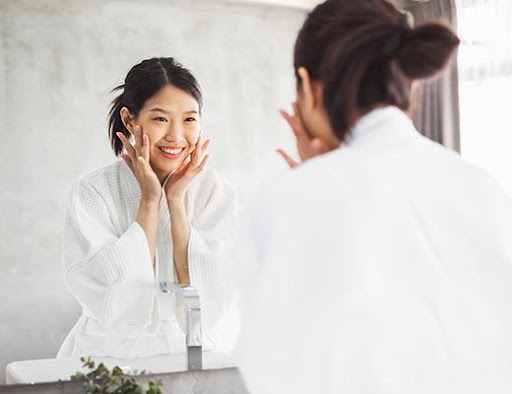
One of the perks of entering adulthood is leaving behind the stormy pimply skin of youth.
However, in recent years, we are seeing more cases of lifestyle-related acne surfacing in adults.
Rather than frantically dealing with the often long-standing and annoying red marks and potential for scarring, consider incorporating one or more of these lifestyle habits to prevent pimples.
1. Go Low & Slow on Sugar
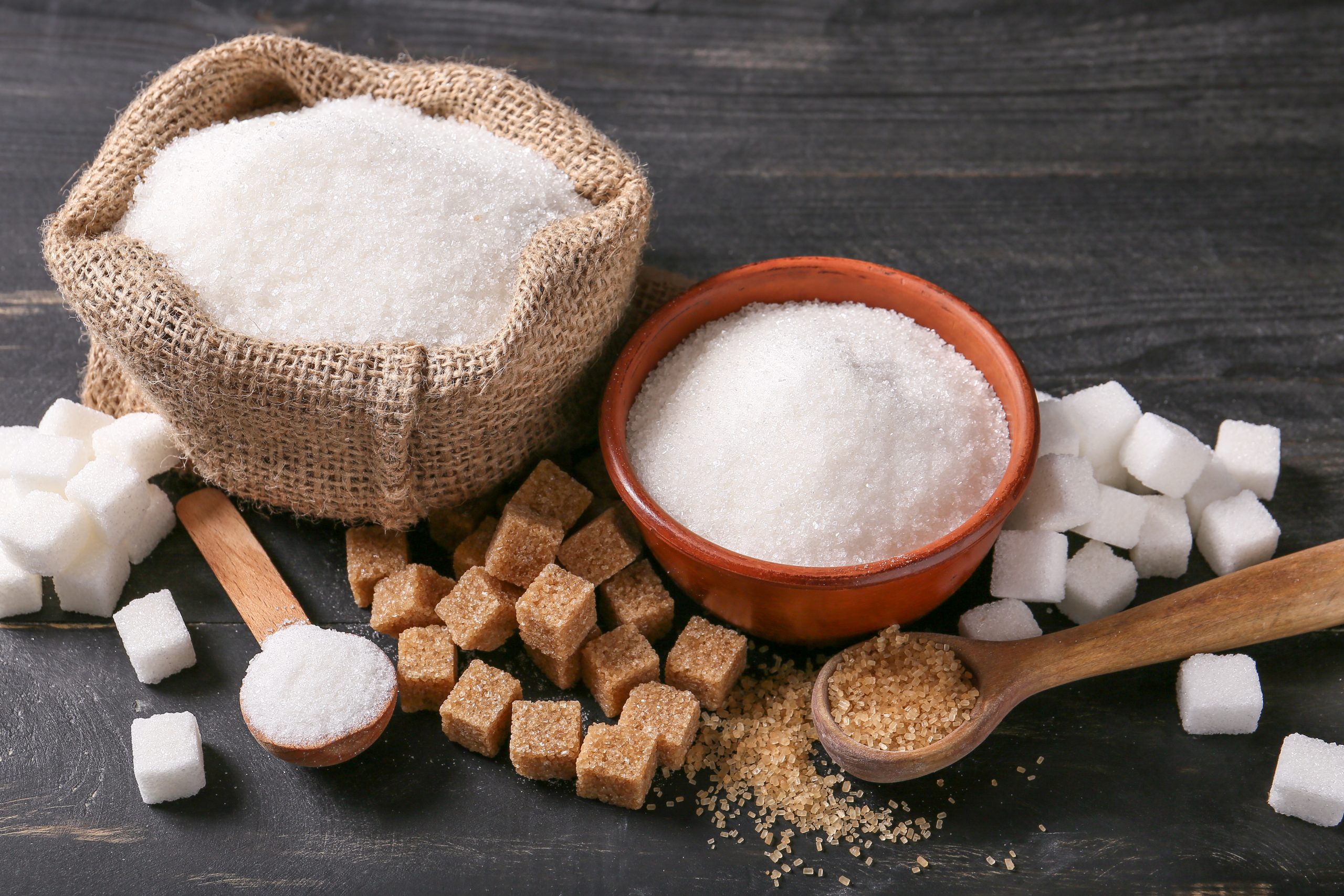
This is what happens when we eat sugar and starchy carbohydrates:
• Sugar gets absorbed very quickly into the bloodstream, triggering the production of a hormone called insulin.
• When we regularly feed on sugar, our blood sugar stays chronically high, and so does insulin.
• High insulin drives inflammation – including acne, weight gain and other metabolic diseases.
Studies have found that people with high sugar intake (including bread, rice, noodles and pasta) are more prone to acne. So, cut the sugar and processed foods. Instead of the mee-pok or pasta fix at meals, opt for a fresh leafy salad with a lean protein. Skip the bubble tea and watch that dessert intake. Snack on whole fruits or nuts for more stable blood sugar.
2. Cut Dairy

Hormones (androgens in various forms and growth hormones) in milk can interfere with our hormonal balance and overstimulate oil glands, worsening acne.
Skim milk appears to cause the most skin issues, possibly from the whey protein, hormones and sugars in it. Although recent studies have suggested that yoghurt and cheese don’t appear to contribute significantly to acne, it’s still good to save dairy as a treat, not a daily affair, when you are trying to calm troubled skin.
There are more efficient ways to get your calcium, such as eggs, cruciferous and dark green leafy vegetables, and of course, your trusty calcium supplements.
3. Eat an anti-inflammatory diet
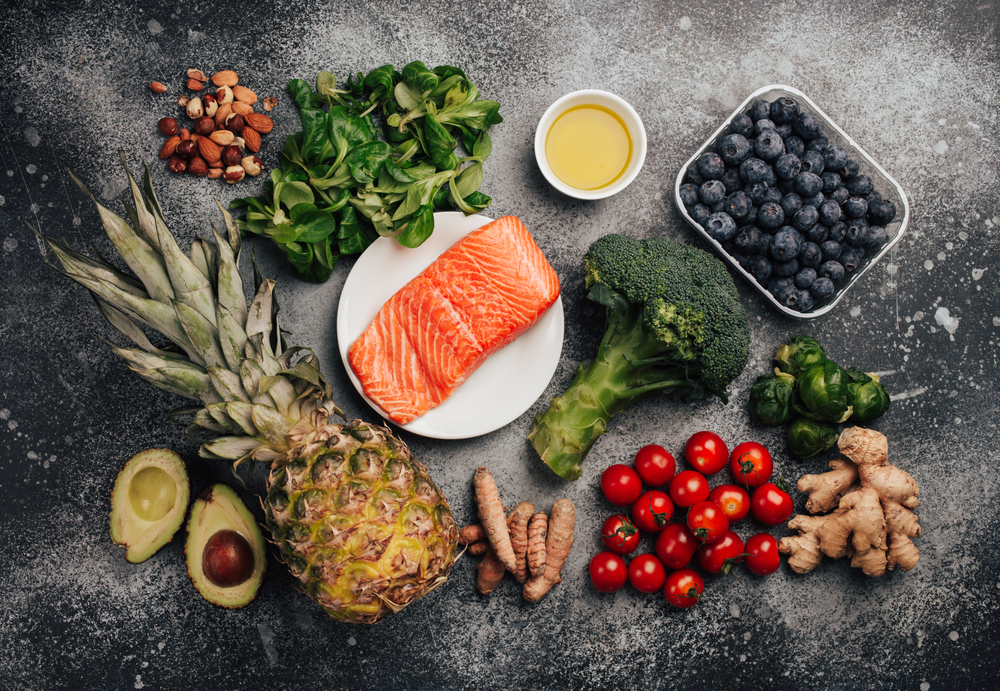
Incorporate colourful foods into your diet, as these are rich in natural antioxidants and protective polyphenols. Try dark purple and red foods such as berries; green foods like dark leafy vegetables and green tea; and yellow foods like turmeric and ginger.
We all need omega-3 fat, a fatty acid that is critical for fighting inflammation, boosting immunity, improving cognitive development, memory and learning and preventing heart disease. To get it, eat foods such as wild-caught fish, grass-fed meats, avocados, olive oil, chia seeds and walnuts.
4. Fortify the gut

What you are is what you eat, and a healthy gut system makes for better skin.
Fermented foods like kimchi, sauerkraut, tempeh, miso and kombucha tea are loaded with probiotics, minerals and vitamins along with fibre. Good nutritious fibre like garlic and onions act as prebiotics by feeding the probiotics.
When buying bottled probiotics, look for one with high potency (at least 25 billion CFU) and multiple strains of Lactobacillus and Bifidobacterium. Consider aiding the gut with digestive enzymes and the occasional detoxifying gut cleanser.
5. De-stress

We live in a highly stressful environment, and chronic stress can increase our cortisol level (stress hormone) and exacerbate our body’s underlying inflammation. Stress also contributes to poor dietary choices – binge eating and sugar highs are certainly not the ideal way to deal with stress.
Look for other coping strategies. How about engaging in forest bathing and green walks? Similar to the pheromones of one girl that influence the menstrual cycle of another, phytoncides from plants and trees help to boost our immunity and enhance mental well-being. You may also try managing stress through meditation, yoga and other forms of exercise, saunas, massages, facials, aromatherapy, music and more.
Stress depletes our body of magnesium and zinc, which are trace minerals essential for general well-being and good skin, nails and hair. Rich nutritional sources of zinc include red meat, poultry and shellfish, with oysters providing one of the highest loads of zinc. Magnesium is available in nuts, green leafy vegetables and bananas.
6. Sleep more, sleep early

Studies have shown that sleep deprivation contributes to stress and inflammation, which feed the acne cycle.
So how much is enough sleep? Simple math – 1 sleep cycle lasts about 90 minutes, and even adults need 5 cycles of sleep to be considered well rested. That works out to be 450 minutes, and hence at least 7-8 hours of sleep are needed per day.
By following an “early to bed and early to rise” approach (that means going to bed well before midnight), you also follow the natural circadian rhythm of your body and avoid unnecessary cortisol spikes.
Sleep more and sleep earlier, to calm your skin and give your body a much-needed daily turbo recharge.
7. Use the right skincare
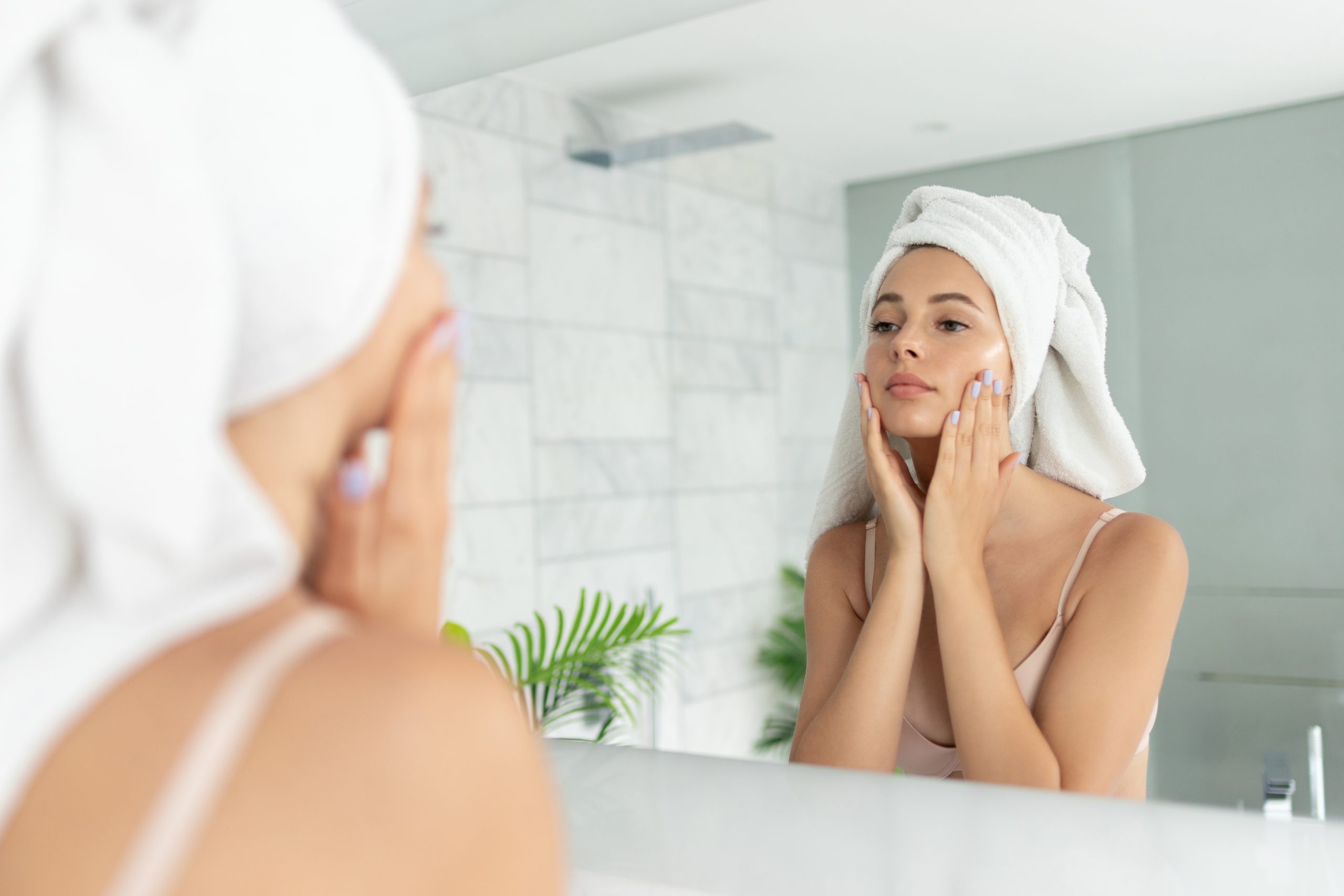
Even skincare labelled “non-comedogenic” may not necessarily prevent you from getting pimples altogether.
It’s more important to use skincare appropriate for your skin type. In general, it’s good to use products that are free of parabens, propylene glycol and synthetic fragrances to reduce the risk of sensitivity.
Adolescent skin trends on the oily side. Use products that control natural oils without stripping them entirely away.
As we age, we lose hyaluronic acid (a natural lubricant) and we dry up. In response, our skin produces more oil in an attempt to lock in what little remaining moisture there is. Hence, we often hear people complaining of oily skin when the root of the issue is underlying dryness!
From your late twenties, look for hydrating products. Consider using facial oil to lock in skin moisture. It’s a myth that facial oils make your face oilier. Appropriately used, facial oil seals in moisture, stop unnecessary water loss and prevents your skin from kicking into its protective oil-producing state. Decreased activity of sebaceous glands equals less oily skin, fewer pimples and large pores!
Making all of these changes at once may be difficult. Try tweaking just one aspect of your life, one at a time, and you will be on your way to clean healthy skin.
Speak to us at IYAC if you would like further clarification on the above tips. We are more than happy to point you in the right direction and to provide further resources, supplements and skincare.


